
#KC1-2 What Causes Aging? Part 2/4
Primary Hallmarks of Aging #2 - Telomere attrition

In 2017, a book titled "The Telomere Effect: A Revolutionary Approach to Living Younger, Healthier, Longer" by Nobel Prize-winning molecular biologist Elizabeth Blackburn, successfully raised awareness of our telomeres - the little caps that sit at the end of our chromosomes (colored in yellow in the diagram below).
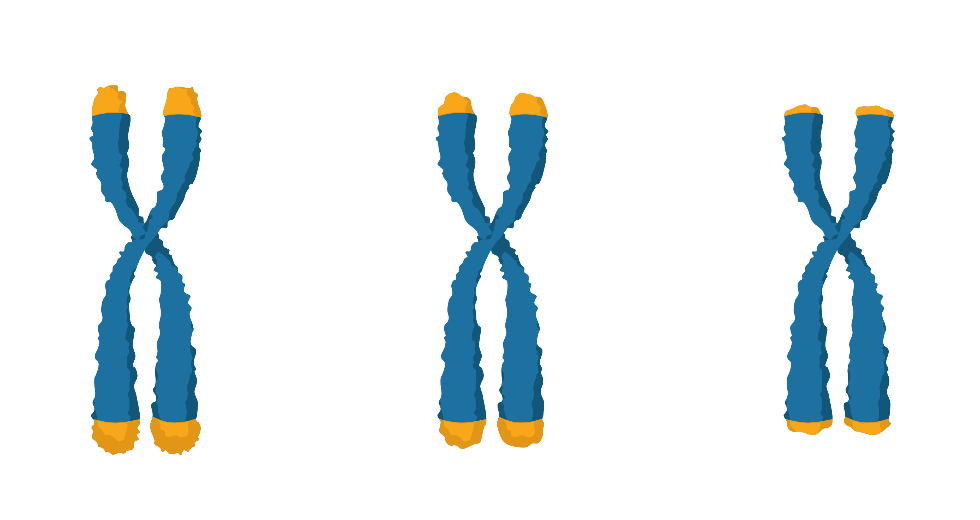
Chromosomes are the structures inside cells that contain our unique genetic materials (DNA). Our bodies produce new cells through a process called cell division. During this process, a cell replicates its chromosomes and divides them into two cells. This allows all new cells to carry the same DNA - a full copy of the genetic manual.
However, this is not a perfect process. With each cell division, our chromosomes lose a tiny portion of them during replication. You probably see the problem here: each time a cell divides, we could be losing a small part of genetic materials! The newly formed cell would end up carrying slightly shorter DNA than the original. Before long, our body would be filled with cells carrying trillions of different versions of DNAs, shortened and damaged. All these different versions of damaged genetic manuals could cause our cells to behave in incorrect or impaired ways.
Imagine you are trying to build a giant house, and you have trillions of construction workers to cooperate on this task, but each of them is provided with a different and incomplete blueprint. What a mess! Even if the house ever gets built, I will be very concerned with the building safety and worried it can fall down in any second. Likewise, without a proper solution to stop the DNA loss, it will be impossible for us to function properly or even survive.
Luckily, the presence of telomeres at the ends of our chromosomes solves this issue by working like a built-in buffer zone. They don't code any genes, so wearing down of the telomeres will not cause any detrimental damage to our genetic materials. Smart!
But you might soon realize, this is only a patch-up solution. These protective caps do shield our coding DNA from getting shorter with each cell division. However, they take the hit instead, hence, telomere attrition. As our cells continue to divide, we will eventually use up this buffer zone. It is only a matter of time before the cells lose all their telomeres. When they reach that stage, the cells become unstable and are unable to divide any further. They will either be killed or have their division permanently turned off by our innate defense mechanism (more on this in future posts).
What We Can Do
Several known examples of healthy lifestyles have been linked with better telomere health, such as exercise
a small randomized controlled trial indicated that moderate aerobic exercise and HIIT training can benefit our telomeres more, compared to strength training
eating nutritious foods
reducing intake of added sugars, processed foods, and animal products, especially red meats
reducing exposure to harmful environmental chemicals such as
heavy metals, like cadmium from smoking and lead from paint and gasoline in some countries
pesticides including alachlor, metolachlor, trifluralin, 2,4-dichlorophenoxyacetic acid (also known as 2,4-D), permethrin, toxaphene and DDT
maintaining adequate sleep quality, chronic stress management and enjoying positive social connections.
More detailed plans and advice can be found in the book The Telomere Effect, if you are interested. I will also be sharing more ideas in my Substack Notes section.
The takeaway
Telomere attrition is the accumulated shortening of chromosomes at their ends during cell divisions. It is one of the established primary hallmarks of aging at the molecular level. To promote and maintain telomere health, reduce chronic stress, practice healthy lifestyles and be mindful about harmful chemicals and your living environment.
Notes is a new space on Substack for us to share links, short posts, quotes, photos, and more. I plan to use it for things that don’t fit in the newsletter, like work-in-progress or supplemental ideas.
Head to substack.com/notes or find the “Notes” tab in the Substack app. As a subscriber to Living without Aging, you’ll automatically see my notes. Feel free to like, reply, or share them around!
